
2024 Uniform Solar, Hydronics and Geothermal Code
The Uniform Solar, Hydronics and Geothermal code is a model code developed by IAPMO to govern the installation
and inspection of solar hydronic, and geothermal energy systems as a means of promoting the public's health, safety and welfare. Published previously as the Uniform Solar Energy Code, the 2021 edition adds significant provisions
concerning hydronic and geothermal systems. USHGC was developed using the American National Standards Institute (ANSI)-accredited open consensus process.
Key provisions of the 2024 USHGC and changes from the 2021 edition include:
- New hanger and support requirements for PE-RT and PEX in support channels
- New requirements addressing protective barriers for energy storage systems installed in garages
- New requirements for hydronic system fluids, addressing heat transfer fluid quality, freezeprotection, disposal, protection of the potable water supply, identification of chemical additives,and makeup fluid
- Updated requirements for expansion tanks and engineered fluid expansion storage systems
- Updated material requirements and joining methods for hydronic, solar thermal, and geothermalsystem piping, tubing and fittings
- Updated provisions addressing oxygen diffusion corrosion in hydronic systems
- New minimum bend radii for polyethylene pipe and tubing installed in hydronic systems
- New minimum floor surface temperature for radiant cooling systems
- Updated insulation requirements for radiant wall and ceiling panels
- Updated insulation requirements for solar thermal piping
- Updated requirements for geothermal energy system design, such as site surveys, makeup waterquality, and heat pumps
- Updated requirements for geothermal energy system installation, such as setbacks, shutoff andbypass valves, and tracer and warning markings
- New requirements addressing distributed energy systems including ambient temperature loops,thermal resources, thermal metering, system assets, and performance
- Updated solar photovoltaic (PV) provisions to correlate with the latest NFPA 70-2023
- Updated installation guidelines for solar PV systems for commercial buildings
- New Appendix C addressing solar ready construction for low-rise residential buildings
- New Appendix E providing recommended configurations for closed-loop hydronic systems
- New Appendix F addressing net zero energy and net positive energy buildings
| Price | $85.95 |
|---|---|
| Customer Service | We're Here To Help! Call us anytime during our customer service hours... Monday through Friday - 8:30 am to 4:30 pm (Pacific) Order Questions:
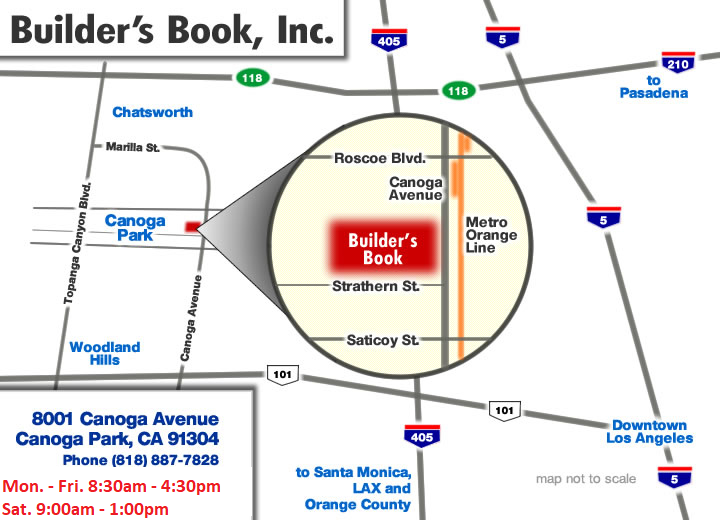
TOLL FREE, 800-273-7375 (Outside the U.S. call 818-887-7828). Our Address: 8001 Canoga Avenue Canoga Park, CA 91304 US Phone: 800-275-2665 E-mail: sales@buildersbook.com
|
| Description | The Uniform Solar, Hydronics and Geothermal code is a model code developed by IAPMO to govern the installation Key provisions of the 2024 USHGC and changes from the 2021 edition include:
|