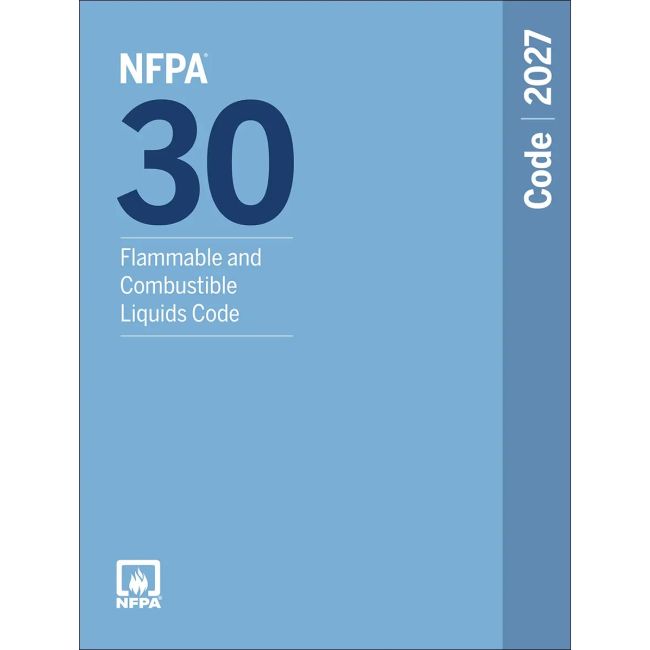

NFPA 30, Flammable and Combustible Liquids Code
Keep Pace with Innovations in Safety. Stay Current with Best Practices in Flammable and Ignitible Liquids.
From facility managers, safety professionals, and fire protection engineers to inspectors and authorities having jurisdiction (AHJs), NFPA 30 is a must-have for anyone who plays a role in flammable and combustible liquids compliance. Code requirements help prevent fires and related hazards in manufacturing, chemical processing, oil and gas, and related industries. NFPA 30 helps guide professionals in:
- The rules for the safe storage, handling, and use of combustible and flammable liquids
- Correctly identifying the classification of ignitible liquids and hazardous materials
- Managing fire and explosion prevention and risk control, and overseeing the automatic features of fire protection
Key Aspects and Benefits of the 2027 Edition of NFPA 30 Include:
- Consolidated and New Definitions: Chapter-specific definitions were removed throughout the document and placed into the listed Chapter 3 definitions or incorporated into the chapter-specific requirements. New definitions for closed system use and open system use have also been added.
- Clarity on Frequently Referenced Terms: Revisions were made throughout the code to clarify the use of the terms protected and unprotected, which had different meanings and potential interpretations in the various chapters.
- Significant Changes in Multiple Chapters: Revisions were made in Chapter 1 and Chapter 9 to clarify that liquids in tanks for other than powering an engine (such as tanker vehicles) are not exempt from the code requirements. Revisions were made in Chapter 7 to simplify the criteria for classifying areas needing rated electrical equipment and provide explanations for the use of the available guidance. Revisions were made in Chapter 19 for cooking oil storage tanks to assist users and enforcers with the interpretation of applicable quantity limits and outdoor storage of cooking oil tanks.
- Expanded Requirements for Ignitible Liquid Drainage Floor Assemblies (ILDFA): New requirements were added in Chapter 6 for ILDFA to allow for the use of the technology for the protection and containment of spills of ignitible (flammable or combustible) liquids.
- Simplified Protection Tables: Consolidation of Chapter 16 protection tables to reduce the number of tables (from 18 to 13) and simplify the use of the table requirements.
Give your team the critical safety requirements to safeguard your facility and operations. Invest in the 2027 edition today!
2027 (9781455932825)
2024 (9781455930432)
2021 (9781455926176)
2018 (9781455916610)
2015 (9781455908875)
2012 (NFPA30-12)
2008 (NFPA30-08)
| Price | $219.95 |
|---|---|
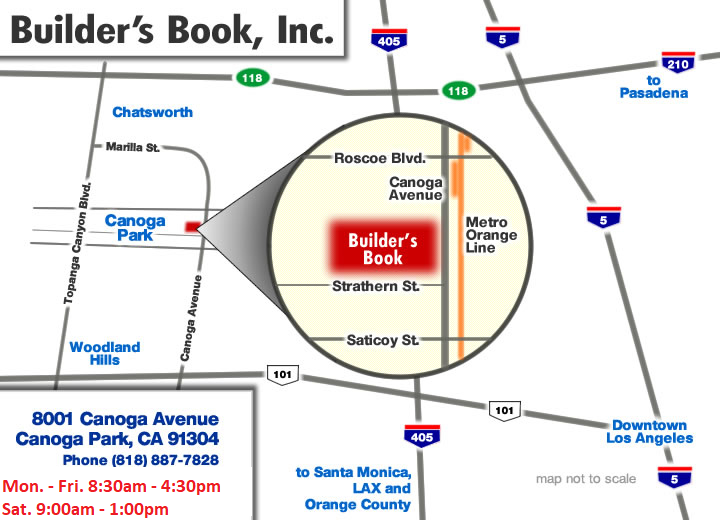
| Customer Service | Customer ServiceWe're Here To Help Call us anytime during our customer service hours... Monday through Friday - 8:30 am to 4:30 pm (Pacific) Order Questions: TOLL FREE, 800-273-7375 (Outside the U.S. call 818-887-7828). Our Address: 8001 Canoga Avenue Canoga Park, CA 91304 US Phone: 800-275-2665 E-mail: sales@buildersbook.com
|
| Description | Keep Pace with Innovations in Safety. Stay Current with Best Practices in Flammable and Ignitible Liquids. From facility managers, safety professionals, and fire protection engineers to inspectors and authorities having jurisdiction (AHJs), NFPA 30 is a must-have for anyone who plays a role in flammable and combustible liquids compliance. Code requirements help prevent fires and related hazards in manufacturing, chemical processing, oil and gas, and related industries. NFPA 30 helps guide professionals in:
Key Aspects and Benefits of the 2027 Edition of NFPA 30 Include:
Give your team the critical safety requirements to safeguard your facility and operations. Invest in the 2027 edition today! 2027 (9781455932825) 2024 (9781455930432) 2021 (9781455926176) 2018 (9781455916610) 2015 (9781455908875) 2012 (NFPA30-12) 2008 (NFPA30-08)
|