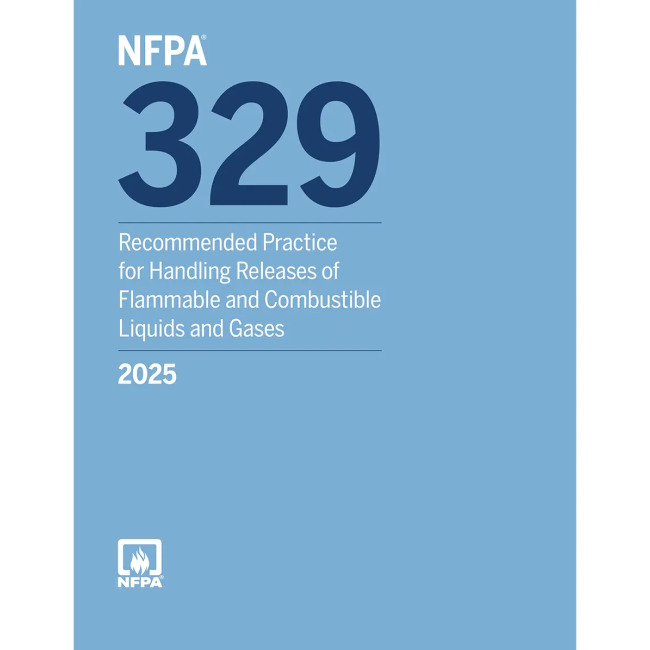

NFPA 329, Recommended Practice for Handling Releases of Flammable and Combustible Liquids and Gases
Stay up to date on recommended practices for emergency planning and response to hazardous liquid and gas releases.
From the physical environment and the amount of liquid or gas released to how it is confined and risks of possible ignition sources, there are a variety of factors that determine the severity of an emergency. NFPA 329, Recommended Practice for Handling Releases of Flammable and Combustible Liquids and Gases, provides first responders, spill response organizations and contractors, facility safety staff, and municipal personnel with the latest best practices for emergency planning and response to these hazards.
This document can help users prepare to orchestrate an appropriate response to fire, explosion, and human health hazards resulting from liquid, gas, or vapor that may migrate to a subsurface structure and covers the following:
- Flammable and combustible liquids and gases fires, explosions, and sources of ignition
- Initial response recommendations, including indicators of a release, initial response to physical discovery, eliminating sources of ignition, and entering the area
- Searching for the source and procedures to verify the source
- Detecting releases from tanks and piping
- Tracing liquids underground
- Removal and disposal of flammable and combustible liquids
NFPA 329 is for anyone preparing for and responding to flammable and combustible emergencies.
The 2025 edition of NFPA 329, Recommended Practice for Handling Releases of Flammable and Combustible Liquids and Gases, includes the following updates:
- Additional guidance was provided on the leakage of flammable gases or vapors.
- The entries and work conditions for atmospheres where flammable gases or vapors might be present was lowered from below 50 percent lower flammable limit (LFL) to below 10 percent LFL to be consistent with health and safety regulations for general industry, construction, and maritime environments, as well as other NFPA standards.
- Annex C was revised to further explain light nonaqueous phase liquid (LNAPL) and dense nonaqueous phase liquid (DNAPL).
Table of Contents:
Chapter 1 Administration
1.1 Scope.
1.2 Purpose.
1.3 Application. (Reserved)
1.4 Retroactivity.
1.5 Equivalency.
1.6 Units and Formulas. (Reserved)
Chapter 2 Referenced Publications
2.1 General.
2.2 NFPA Publications.
2.3 Other Publications.
2.4 References for Extracts in Recommendations Sections.
Chapter 3 Definitions
3.1 General.
3.2 NFPA Official Definitions.
3.3 General Definitions.
Chapter 4 Flammable and Combustible Liquids and Gases
4.1 General.
4.2 Fires and Explosions.
4.3 Sources of Ignition.
Chapter 5 Initial Response
5.1 Indicators of a Release.
5.2 Initial Response to Physical Discovery.
5.3 Eliminating Sources of Ignition.
5.4 Entering the Area.
5.5 Initial Response to Indications of a Potential Release.
Chapter 6 Searching for the Source
6.1 General.
6.2 Search Procedure.
6.3 Procedures to Verify the Source.
Chapter 7 Detecting Releases from Tanks and Piping
7.1 General.
7.2 Action Preliminary to Release Detection or Tightness Testing.
7.3 Release Detection.
7.4 Testing of Underground Tanks.
7.5 Testing of Underground Piping.
7.6 Testing of Aboveground Storage Tanks (ASTs).
Chapter 8 Tracing Liquids Underground
8.1 General.
8.2 Procedure for Determining Underground Flow.
8.3 Dye Tracing.
8.4 Chromatographic and Spectrographic Analyses.
8.5 Other Chemical Analyses.
8.6 Other Sources.
Chapter 9 Removal and Disposal of Flammable and Combustible Liquids
9.1 General.
9.2 Basements.
9.3 Subways, Tunnels, and Mines.
9.4 Normally Uninhabited Structures — Utility Conduits.
9.5 Normally Uninhabited Structures — Sewers.
9.6 Underground Release.
Annex A Explanatory Material
Annex B Examples of Sources of Flammable and Combustible Liquids and Vapors
Annex C Basic Principles and Concepts of Underground Flow
Annex D Sources of Damage to Storage Containers and Lines
Annex E Inventory Control Procedures
Annex F Informational References
| Price | $219.95 |
|---|---|
| Customer Service | We're Here To Help! Call us anytime during our customer service hours... Monday through Friday - 8:30 am to 4:30 pm (Pacific) Order Questions:
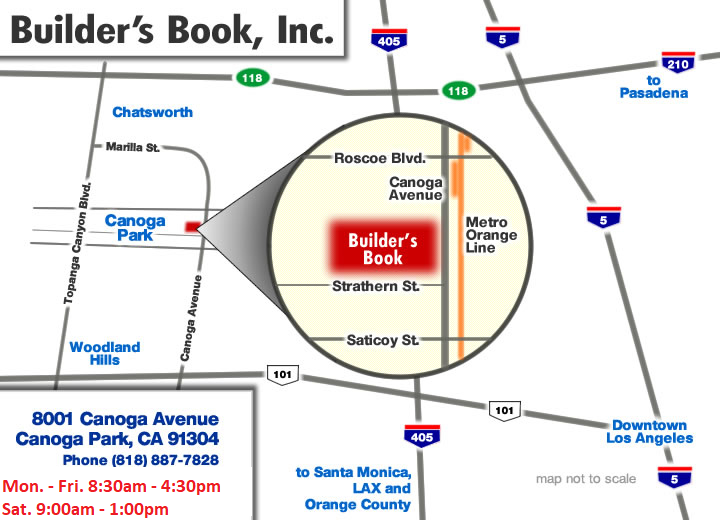
TOLL FREE, 800-273-7375 (Outside the U.S. call 818-887-7828). Our Address: 8001 Canoga Avenue Canoga Park, CA 91304 US Phone: 800-275-2665 E-mail: sales@buildersbook.com
|
| Description | Stay up to date on recommended practices for emergency planning and response to hazardous liquid and gas releases. From the physical environment and the amount of liquid or gas released to how it is confined and risks of possible ignition sources, there are a variety of factors that determine the severity of an emergency. NFPA 329, Recommended Practice for Handling Releases of Flammable and Combustible Liquids and Gases, provides first responders, spill response organizations and contractors, facility safety staff, and municipal personnel with the latest best practices for emergency planning and response to these hazards. This document can help users prepare to orchestrate an appropriate response to fire, explosion, and human health hazards resulting from liquid, gas, or vapor that may migrate to a subsurface structure and covers the following:
NFPA 329 is for anyone preparing for and responding to flammable and combustible emergencies. The 2025 edition of NFPA 329, Recommended Practice for Handling Releases of Flammable and Combustible Liquids and Gases, includes the following updates:
Table of Contents: Chapter 1 Administration 1.1 Scope. Chapter 2 Referenced Publications 2.1 General. Chapter 3 Definitions 3.1 General. Chapter 4 Flammable and Combustible Liquids and Gases 4.1 General. Chapter 5 Initial Response 5.1 Indicators of a Release. Chapter 6 Searching for the Source 6.1 General. Chapter 7 Detecting Releases from Tanks and Piping 7.1 General. Chapter 8 Tracing Liquids Underground 8.1 General. Chapter 9 Removal and Disposal of Flammable and Combustible Liquids 9.1 General. Annex A Explanatory Material |