

NFPA 45, Standard on Fire Protection for Laboratories Using Chemicals
Help protect life and property from fire hazards in laboratories using chemicals.
NFPA 45, Standard on Fire Protection for Laboratories Using Chemicals, is the industry-trusted source for comprehensive requirements for the fire-safe design and operation of instructional, educational, and industrial laboratories.
The significantly revised 2024 edition offers current information on the maximum allowable quantities of liquids and gases, laboratory ventilating systems, and chemical fume hoods.
Notable changes include:
- Expanded the scope to apply to laboratories in health care facilities where any quantity of ignitible (flammable or combustible) liquid is present
- Added new requirements in Chapters 3, 7, and 11 to address the installation, operation, maintenance, and training necessary for the safe use of ductless chemical fume hoods
- Revised automatic sprinkler system requirements in Chapter 6 to correlate with the language used in NFPA 13, Standard for the Installation of Sprinkler Systems
- Revised Chapters 5 and 7 to clarify requirements for a second means of egress from a laboratory work area based on the placement of fume hoods in the laboratory
- Edited Chapter 11 to address aspects of stored energy hazards as they relate to various laboratory apparatus
- Added new annex material clarifying sash closure requirements in 11.2.2.1
- Added annex material in 11.2.6 to clarify when NFPA 51B, Standard for Fire Prevention During Welding, Cutting, and Other Hot Work, would apply in a laboratory setting
- Made revisions throughout the document to the terms flammable and combustible liquid to align with ignitible (flammable and combustible) liquid terminology updated in NFPA 30, Flammable and Combustible Liquids Code
- New supplementary definitions added to Annex B S to include the NFPA 30 liquid classification scheme
Table of Contents:
Chapter 1 Administration
1.1 Scope.
1.2 Purpose.
1.3 Application.
1.4 Retroactivity.
1.5 Equivalency.
Chapter 2 Referenced Publications
2.1 General.
2.2 NFPA Publications.
2.3 Other Publications.
2.4 References for Extracts in Mandatory Sections.
Chapter 3 Definitions
3.1 General.
3.2 NFPA Official Definitions.
3.3 General Definitions.
Chapter 4 Laboratory Unit Hazard Classification
4.1 General.
4.2 Laboratory Unit Fire Hazard Classification.
Chapter 5 Laboratory Unit Design and Construction
5.1 Laboratory Unit Enclosure.
5.2 Requirements for Life Safety.
5.3 Means of Access to an Exit.
5.4 Furniture, Casework, and Equipment.
5.5 Electrical Installation.
Chapter 6 Fire Protection
6.1 Automatic Fire Extinguishing Systems.
6.2 Standpipe and Hose Systems.
6.3 Portable Fire Extinguishers.
6.4 Fire Alarm Systems.
6.5 Fire Prevention.
6.6 Flame-Resistant Clothing.
Chapter 7 Laboratory Ventilating Systems and Hood Requirements
7.1 General.
7.2 Basic Requirements.
7.3 Supply Systems.
7.4 Exhaust Air Discharge.
7.5 Duct Construction for Hoods and Local Exhaust Systems.
7.6 Duct Velocities.
7.7 Exhausters (Fans), Controls, Velocities, and Discharge.
7.8 Chemical Fume Hood Requirements.
7.9 Chemical Fume Hood Location.
7.10 Chemical Fume Hood Fire Protection.
7.11 Inert Atmosphere Glove Boxes.
7.12 Perchloric Acid Hoods.
7.13 Identification of Chemical Fume Hood Systems.
7.14 Inspection, Testing, and Maintenance.
7.15 Ductless Fume Hoods.
7.16 Procedures for Use of Ductless Fume Hoods.
Chapter 8 Chemical Storage, Handling, and Waste Disposal
8.1 General.
8.2 Ordering Procedures.
8.3 Handling and Storage.
8.4 Waste Handling and Disposal.
Chapter 9 Ignitible (Flammable and Combustible) Liquids
9.1 Quantity Limitations.
9.2 Supply Piping.
9.3 Liquid Dispensing.
9.4 Pressurized Liquid Dispensing Containers (PLDC).
9.5 Equipment.
Chapter 10 Compressed and Liquefied Gases
10.1 Compressed and Liquefied Gases in Cylinders.
10.2 Storage and Piping Systems.
10.3 Outdoor Installation of Compressed Gas Cylinders for Servicing Laboratory Work Areas (Located Outside of Laboratory Work Areas).
10.4 Cryogenic Fluids.
Chapter 11 Laboratory Operations and Apparatus
11.1 General.
11.2 Operations.
11.3 Apparatus.
11.4 Ductless Fume Hood Operations.
Chapter 12 Educational and Instructional Laboratory Operations
12.1 General.
12.2 Instructor Responsibilities.
12.3 Chemical Storage and Handling.
12.4 Other Requirements.
Chapter 13 Hazard Identification
13.1 General.
13.2 Identification of Entrances.
13.3 Exhaust Systems.
13.4 Labeling of Containers.
13.5 Identification Systems.
Annex A Explanatory Material
Annex B Supplementary Definitions
Annex C Information on Explosion Hazards and Protection
Annex D Supplementary Information on the Concept of the Laboratory Unit
Annex E Flammability Characteristics of Common Compressed and Liquefied Gases
Annex F Safety Tips for Compressed Gas Users
Annex G Informational References
2024 (9781455930869)
2019 (9781455921416)
| Price | $219.95 |
|---|---|
| Customer Service | We're Here To Help! Call us anytime during our customer service hours... Monday through Friday - 8:30 am to 4:30 pm (Pacific) Order Questions:
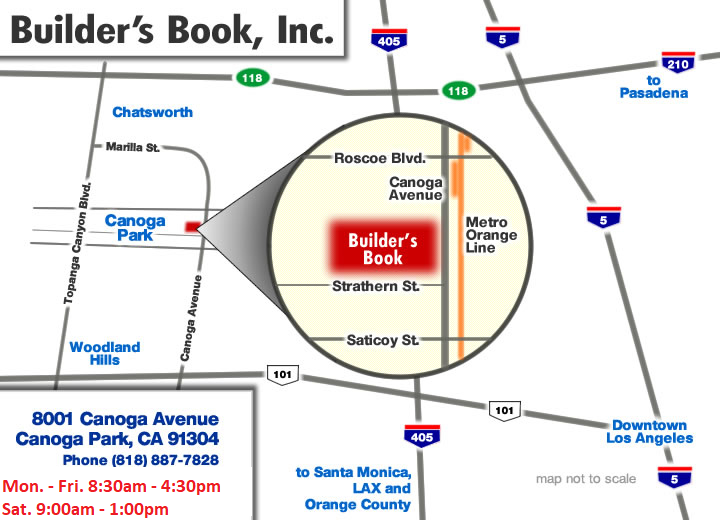
TOLL FREE, 800-273-7375 (Outside the U.S. call 818-887-7828). Our Address: 8001 Canoga Avenue Canoga Park, CA 91304 US Phone: 800-275-2665 E-mail: sales@buildersbook.com
|
| Description | Help protect life and property from fire hazards in laboratories using chemicals. NFPA 45, Standard on Fire Protection for Laboratories Using Chemicals, is the industry-trusted source for comprehensive requirements for the fire-safe design and operation of instructional, educational, and industrial laboratories. The significantly revised 2024 edition offers current information on the maximum allowable quantities of liquids and gases, laboratory ventilating systems, and chemical fume hoods. Notable changes include:
Table of Contents: Chapter 1 Administration 1.1 Scope. Chapter 2 Referenced Publications 2.1 General. Chapter 3 Definitions 3.1 General. Chapter 4 Laboratory Unit Hazard Classification 4.1 General. Chapter 5 Laboratory Unit Design and Construction 5.1 Laboratory Unit Enclosure. Chapter 6 Fire Protection 6.1 Automatic Fire Extinguishing Systems. Chapter 7 Laboratory Ventilating Systems and Hood Requirements 7.1 General. Chapter 8 Chemical Storage, Handling, and Waste Disposal 8.1 General. Chapter 9 Ignitible (Flammable and Combustible) Liquids 9.1 Quantity Limitations. Chapter 10 Compressed and Liquefied Gases 10.1 Compressed and Liquefied Gases in Cylinders. Chapter 11 Laboratory Operations and Apparatus 11.1 General. Chapter 12 Educational and Instructional Laboratory Operations 12.1 General. Chapter 13 Hazard Identification 13.1 General. Annex A Explanatory Material 2024 (9781455930869) 2019 (9781455921416) |