

NFPA 86, Standard for Ovens and Furnaces
NFPA 86, Standard for Ovens and Furnaces 2027
NFPA 86, Standard for Ovens and Furnaces, offers comprehensive requirements for the design, installation, operation, and inspection, testing, and maintenance (ITM) of Class A, B, C, and D ovens, dryers, and furnaces; thermal oxidizers; and any other heated enclosure used for processing materials and related equipment. The standard minimizes fire and explosion hazards of ovens and furnaces used for commercial and industrial processing of materials.
Help protect people and buildings with updated requirements for:
- General approvals, plans, specifications, and safety labeling
- Location and construction
- Furnace heating systems
- Commissioning, operations, and ITM
- Safety equipment and application
Key Aspects and Benefits of NFPA 86 Include:
- Expanded Explosion Protection Requirements: The requirements for explosion protection now differentiate between the two main categories of deflagration prevention and damage-limiting construction.
- Updates to Stay Current with Industry Changes: Added or revised requirements for hydrogen and hydrogen mixtures to accommodate their use and increasing prevalence.
- New Rules for Cleaning and Housekeeping: Requirements were added for oven cleaning and housekeeping to accommodate the removal of accumulated debris or residues from the oven during the course of normal operation.
- Revised Safety Systems Protections: Requirements were added to address the processes and operations around testing or maintenance systems that could render the safety system ineffective if left in an incorrect state.
- Added Operations Requirements: Thermal oxidizer systems requirements were added to address the proper operations of these systems.
Give your team the knowledge to help protect. Buy your code book today!
2027 (9781455932894)
2023 (9781455929238)
2019 (9781455921027)
2015 (9781455908950)
2011 (NFPA86-11)
| Price | $219.95 |
|---|---|
| Customer Service | We're Here To Help! Call us anytime during our customer service hours... Monday through Friday - 8:30 am to 4:30 pm (Pacific) Order Questions:
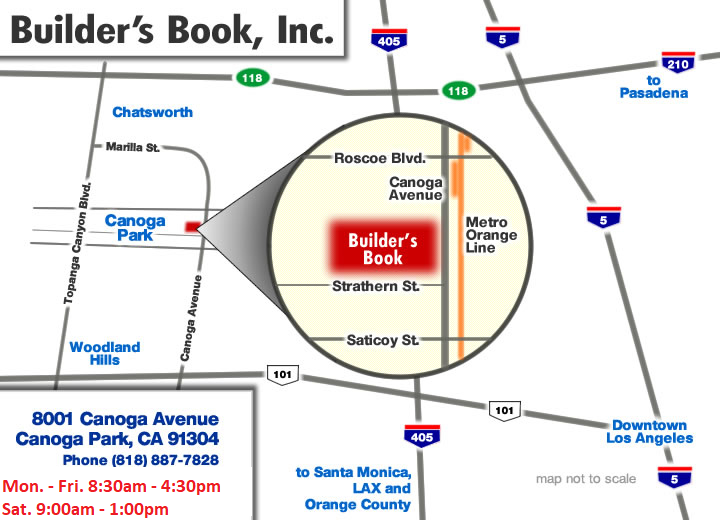
TOLL FREE, 800-273-7375 (Outside the U.S. call 818-887-7828). Our Address: 8001 Canoga Avenue Canoga Park, CA 91304 US Phone: 800-275-2665 E-mail: sales@buildersbook.com
|
| Description | NFPA 86, Standard for Ovens and Furnaces 2027 NFPA 86, Standard for Ovens and Furnaces, offers comprehensive requirements for the design, installation, operation, and inspection, testing, and maintenance (ITM) of Class A, B, C, and D ovens, dryers, and furnaces; thermal oxidizers; and any other heated enclosure used for processing materials and related equipment. The standard minimizes fire and explosion hazards of ovens and furnaces used for commercial and industrial processing of materials. Help protect people and buildings with updated requirements for:
Key Aspects and Benefits of NFPA 86 Include:
Give your team the knowledge to help protect. Buy your code book today! 2027 (9781455932894) 2023 (9781455929238) 2019 (9781455921027) 2015 (9781455908950) 2011 (NFPA86-11) |